
The exam at a glance
| What | Details |
|---|---|
| Date | Thursday, May 6, 2027, afternoon session |
| Start time | 12 p.m. local time at most U.S. schools, including all schools in the lower 48 states, Hawaii and Washington, D.C. A few places differ, so confirm yours with your AP coordinator. |
| Format | Hybrid digital: you read every question in Bluebook and handwrite your free-response answers on paper |
| Length | 3 hours 15 minutes of testing, in two sections |
| Section I | 60 multiple-choice questions · 90 minutes · 50% of your score |
| Section II | 7 free-response questions (3 long at 10 points, 4 short at 4 points) · 105 minutes · 50% of your score |
| Calculator | Scientific or graphing, on both sections; Desmos is built into Bluebook |
| Reference information | A periodic table and a sheet of equations and constants, on paper and in Bluebook, for both sections |
| Your score | 1 to 5, from a composite of the two sections |
College Board lists no format changes for AP Chemistry in 2027. The calculator changes it announced for 2027 apply to Biology, Environmental Science and Statistics. If you can’t test during the first two weeks of May, ask your AP coordinator about a late-testing date.
What “hybrid digital” means on exam day
AP Chemistry has been a hybrid exam since May 2025. You read everything on a laptop or tablet in Bluebook, College Board’s testing app, and answer the multiple-choice questions there. For the free-response section you read the questions on screen and write your answers by hand in a paper booklet, and the booklet is what gets scored.
Two lines in the 2026 directions are worth knowing now. Only work written in the free-response booklet is scored, so scratch paper is for planning. And the clock in Bluebook turns red when 5 minutes remain: the proctor gives no time warnings.
Section I: 60 multiple-choice questions in 90 minutes
That’s 90 seconds a question on average. Some questions stand alone; others come in sets built on one shared stimulus, such as a data table, a graph, a particle diagram or the description of an experiment, so one careful reading pays off several times. Each question has four choices, and your score is simply the number you get right. Wrong answers cost nothing, so answer every question, even if you have to guess.
| Science practice | Share of the section | About this many of 60 |
|---|---|---|
| Models and representations | 8–12% | 5–7 |
| Question and method | 8–12% | 5–7 |
| Model analysis | 23–30% | 14–18 |
| Mathematical routines | 35–42% | 21–25 |
| Argumentation | 8–12% | 5–7 |
Calculation and quantitative reasoning is the biggest single skill: roughly 21 to 25 of the 60 questions. Practice the routine setups until they’re automatic (moles and molar mass, molarity and dilution, gas laws, heat, pH), so the 90 seconds go on thinking rather than on arithmetic.
Section II: 7 free-response questions in 105 minutes
| Questions | Points each | Suggested time each | Points in all |
|---|---|---|---|
| 1–3 (long) | 10 | about 23 minutes | 30 |
| 4–7 (short) | 4 | about 9 minutes | 16 |
| All seven | 105 minutes | 46 |
Both kinds of question work out to about 2¼ minutes a point, so the short questions deserve their full 9 minutes each. Together they carry 16 of the 46 points, more than a third of the section.
Every free-response point is one specific thing in the scoring guidelines, and the verb in each part tells you what that thing is. The CED defines them:
- Calculate: show the setup with the right numbers substituted, and give the answer with units and the correct number of significant figures. All of that is in the CED’s definition of the word.
- Justify: give the evidence, then explain how it supports the claim. A claim on its own isn’t a justification.
- Explain: say how or why something happens, with evidence or reasoning: the particles, the forces, the direction of the shift.
- Determine and estimate: reach a value or a conclusion by reasoning or calculation. An estimate can be as simple as greater than, less than, or the sign of a quantity.
- Represent, draw or complete a diagram: use a graph, symbols, an equation or a particle model that is right in every detail the question asks about.
Calculation is again the largest share, 43–53% of the section. Argumentation, making and justifying claims, is 15–24%, and question and method, which covers experimental design and error, is 10–16%.
All of these come from the 2025 Chief Reader report. The FRQ guide goes through how each kind of point is earned, with the released questions.
What’s on the exam: nine units and their weights
The course has nine units and 91 topics, set out in College Board’s Course and Exam Description (CED). Its unit weights apply to the multiple-choice section:
| Unit | Share of multiple choice | About this many of 60 | Topics |
|---|---|---|---|
| 1. Atomic Structure and Properties | 7–9% | 4–5 | 8 |
| 2. Compound Structure and Properties | 7–9% | 4–5 | 7 |
| 3. Properties of Substances and Mixtures | 18–22% | 11–13 | 13 |
| 4. Chemical Reactions | 7–9% | 4–5 | 9 |
| 5. Kinetics | 7–9% | 4–5 | 11 |
| 6. Thermochemistry | 7–9% | 4–5 | 9 |
| 7. Equilibrium | 7–9% | 4–5 | 12 |
| 8. Acids and Bases | 11–15% | 7–9 | 11 |
| 9. Thermodynamics and Electrochemistry | 7–9% | 4–5 | 11 |
Unit 3 alone carries at least as much weight as Units 1 and 2 put together, and Units 3 and 8 make up roughly a third of the section. The free-response questions can draw on any unit, and the long ones usually mix several. Question 2 in 2026 asked about the shape of an ion, a resonance structure, a net ionic equation, oxidation numbers, a ΔG° calculation, electroplating and first-order kinetics, all in one question.
What College Board says won’t be tested
The CED marks some content as out of bounds. These are the exclusions most worth knowing, so you don’t spend March on them:
- Calculations with the Arrhenius equation (Topic 5.6).
- Converting between and (Topic 7.3). You still have to notice which one a question uses.
- The change in pH when an acid or base is added to a buffer, and deriving the Henderson–Hasselbalch equation (Topic 8.9). Using the equation is fair game.
- Colligative properties, and molality or percent by mass or volume for solutions (Topic 3.8).
- Reading phase diagrams (Topic 3.3).
- Quantum numbers (Topic 1.5) and the electron configurations of elements that break the aufbau principle (Topic 1.7).
- Molecular orbital diagrams, and hybridization involving d orbitals (Topic 2.7).
- Lewis acids and bases (Topic 4.8), and the terms “oxidizing agent” and “reducing agent” (Topic 4.7).
- Memorized solubility rules beyond one: all sodium, potassium, ammonium and nitrate salts are soluble in water (Topic 4.7).
- Labeling an electrode as positive or negative (Topic 9.8).
Calculators and the reference sheet
- A scientific or graphing calculator is allowed on both sections. A four-function calculator is allowed but not recommended.
- Bluebook has the Desmos calculator built in, in both scientific and graphing versions.
- You can bring up to two handheld calculators. You can’t share them, and their memories don’t need to be cleared.
- A graphing calculator must be on College Board’s list of approved models, which is on its calculator policy page.
College Board supplies the reference information for both sections, in a printed booklet and in Bluebook. You can write on the printed booklet, though nothing you write there is scored, and it can’t leave the room. It gives you a periodic table, with only each element’s symbol, atomic number and atomic mass, and two pages of equations and constants covering atomic structure, gases and solutions, kinetics, equilibrium, thermodynamics and electrochemistry.
What it leaves out matters just as much. There is no general rate law (), no M₁V₁ = M₂V₂ for dilutions, and nothing on the periodic table about names, electronegativity or radii. The formula sheet page goes through every line of the sheet and every gap.
How the exam is scored
Your multiple-choice score is the number of questions you got right. Free-response answers are scored in June by college faculty and experienced AP teachers, using the scoring guidelines. College Board combines the two sections, each weighted 50%, into a composite and converts that to a score from 1 to 5. It sets the points needed for each score after the exams are scored, separately for each version of the exam, and it doesn’t grade on a curve.
It doesn’t publish those cut points. Our score calculator uses College Board’s data and stated modeling assumptions to estimate about 69 out of 100 for a 5, 52 for a 4 and 34 for a 3. Its ±6 bands are illustrative planning ranges, not confidence intervals; actual cutoffs can fall outside them.
| Year | 5 | 4 | 3 | 2 | 1 | 3 or higher |
|---|---|---|---|---|---|---|
| 2026 | 15% | 31% | 30% | 18% | 6% | 76% |
| 2025 | 17.9% | 28.6% | 31.4% | 15.9% | 6.2% | 77.9% |
| 2024 | 17.9% | 27.4% | 30.3% | 16.9% | 7.5% | 75.6% |
| 2023 | 16.0% | 27.1% | 32.0% | 16.9% | 8.0% | 75.1% |
How hard is AP Chemistry?
On College Board’s numbers, AP Chemistry is not unusually hard to pass, but a 5 is hard to get. In 2026, 75% of students earned a 3 or higher, more than in AP Biology or either algebra-based physics exam, while 15% earned a 5: the same share as Biology and fewer than either physics exam.
| Exam | Earned a 5 | Earned 3 or higher |
|---|---|---|
| AP Chemistry | 15% | 75% |
| AP Biology | 15% | 71% |
| AP Physics 1 | 19% | 68% |
| AP Physics 2 | 20% | 72% |
| AP Environmental Science | 13% | 69% |
| AP Calculus AB | 20% | 65% |
| AP Precalculus | 29% | 82% |
| AP United States History | 14% | 74% |
Pass rates measure who takes an exam as much as how hard it is, and College Board says AP Chemistry draws an unusually self-selected group of advanced chemistry students. The difficulty shows up in other numbers:
- Much of it is math. Calculation and quantitative reasoning is the largest skill in both sections: 35–42% of the multiple choice and 43–53% of the free response.
- The free response is demanding. From 2023 to 2025 the average student earned between 44% and 51% of the free-response points.
- Electrochemistry, thermodynamics and buffers cost the most. The three lowest-scoring free-response questions of 2023–2025 were a galvanic cell (2025, 34% of its points), a thermodynamics question on phosphorus (2025, 36%) and a buffer (2023, 42%).
- It assumes a first course. College Board recommends high school chemistry and Algebra II first. It describes AP Chemistry as the equal of a one-year introductory college general chemistry course.
In practice that means the score comes from steady work on real questions through the year, not a cram in April.
How to get a 5: a study plan
Our model puts the 5 line near 69 out of 100, so you need not aim for a perfect practice score. That is an estimate, and missing a third of the weighted points does not guarantee a 5. What matters is not giving points away. In 2025 the six free-response points the fewest students earned were lost mostly to habits: significant figures, the wrong quantity in an equation, comparing moles when the question asked about mass. This plan works on those habits all year with real questions, and saves two untouched exams for the spring.
During the year: four things with every unit
- Learn each topic properly before your class test on it. Units 1 to 4 are below, topic by topic.
- Read the unit’s cheat sheet and mark which of its equations are on the reference sheet and which you have to know.
- Do the released free-response parts for that unit from 2023 and 2024 (table below). Time them at about 2¼ minutes a point and score them with the official scoring guidelines.
- Keep a list of every point you lose and why. By March, that list is your study plan.
| Unit | Questions | The parts on |
|---|---|---|
| 1. Atomic Structure and Properties | 2023 Q1, 2023 Q6, 2024 Q3 | the aufbau principle and empirical formulas; atomic structure; periodic trends |
| 2. Compound Structure and Properties | 2023 Q2, 2024 Q6, 2024 Q3 | bonding and potential energy, VSEPR, formal charge; Lewis diagrams; metals and alloys |
| 3. Properties of Substances and Mixtures | 2023 Q5, 2023 Q6, 2024 Q7, 2024 Q4 | the ideal gas law and representations of solutions; intermolecular forces; chromatography; kinetic molecular theory |
| 4. Chemical Reactions | 2023 Q3, 2024 Q2, 2024 Q3 | net ionic equations; stoichiometry; redox |
| 5. Kinetics | 2024 Q6, 2023 Q3, 2024 Q2 | reaction order and rate laws; surface area and collisions; reaction rates |
| 6. Thermochemistry | 2024 Q4, 2023 Q2, 2024 Q1 | calorimetry and specific heat; Hess’s law; enthalpy of reaction |
| 7. Equilibrium | 2024 Q5, 2023 Q7 | Q and K, Le Châtelier’s principle; and solubility |
| 8. Acids and Bases | 2023 Q4, 2024 Q1, 2024 Q2 | buffers; titration, pH and p; Henderson–Hasselbalch |
| 9. Thermodynamics and Electrochemistry | 2024 Q3, 2023 Q1, 2024 Q2 | cell potential, electrolysis and Faraday’s law; electrochemistry and Gibbs free energy; entropy |
Units 1 to 4, topic by topic
Unit 1: Atomic Structure and Properties
 Topic 1.120 minMoles and Molar Mass
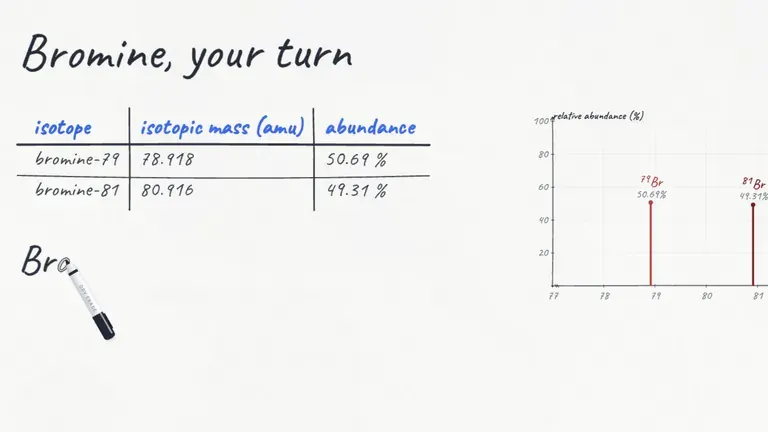 Topic 1.220 minMass Spectra of Elements
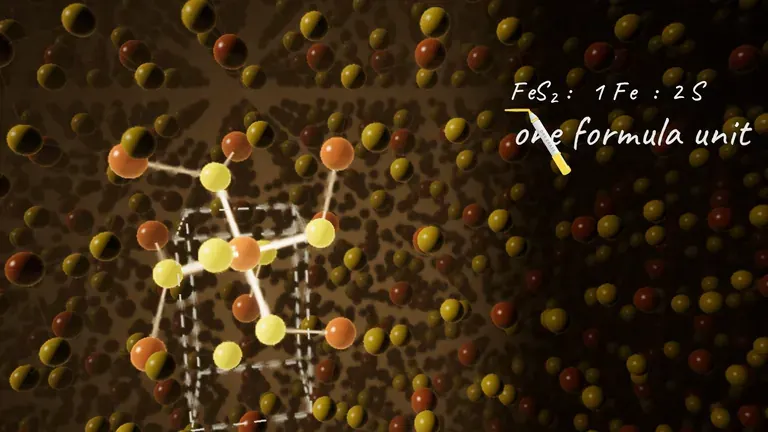 Topic 1.320 minElemental Composition of Pure Substances
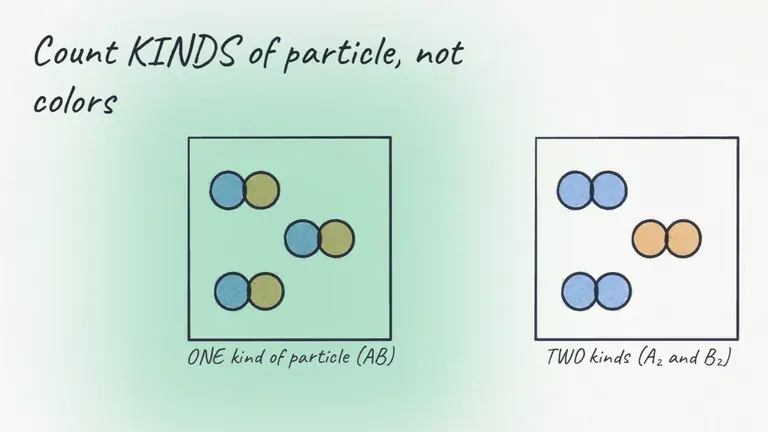 Topic 1.419 minComposition of Mixtures
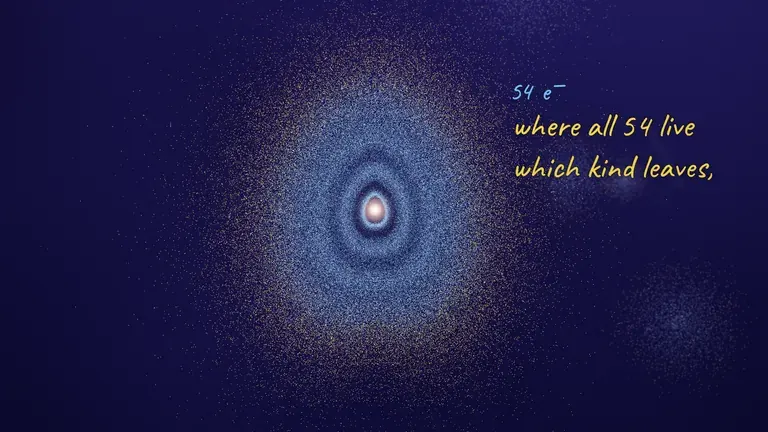 Topic 1.521 minAtomic Structure and Electron Configuration
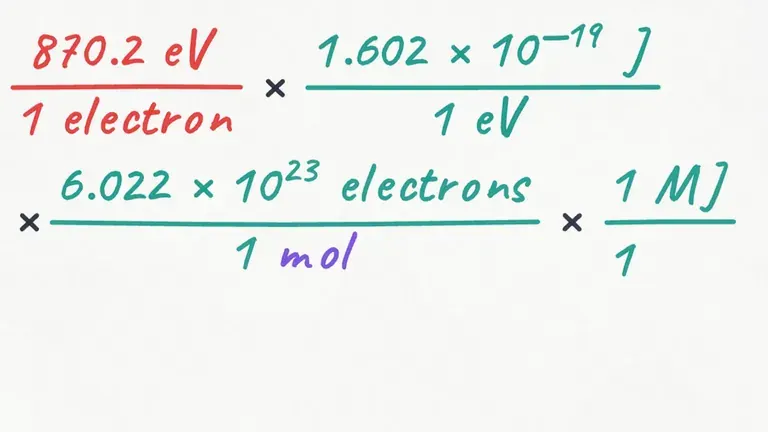 Topic 1.618 minPhotoelectron Spectroscopy
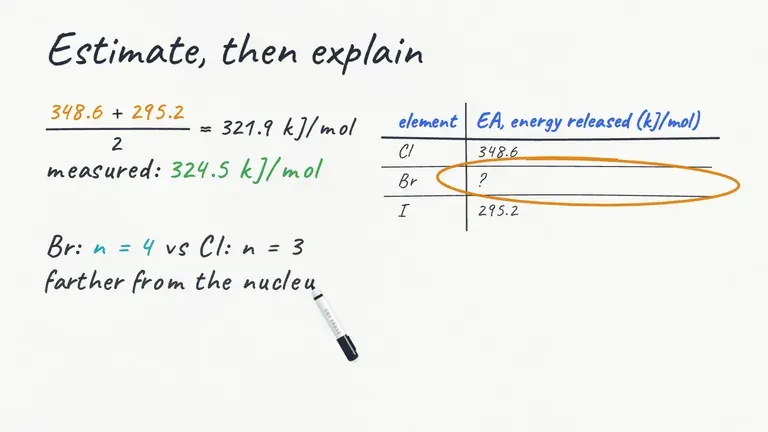 Topic 1.719 minPeriodic Trends
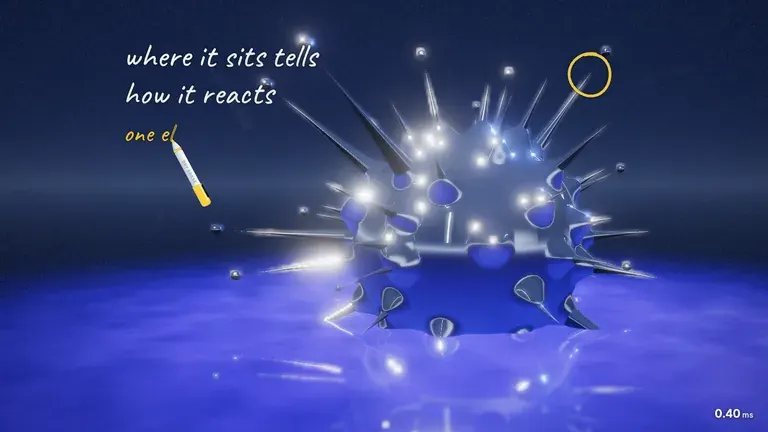 Topic 1.820 minValence Electrons and Ionic Compounds
Unit 2: Compound Structure and Properties
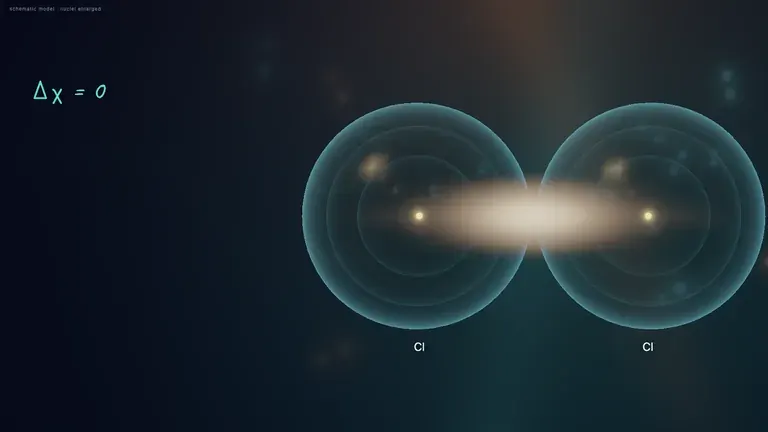 Topic 2.121 minTypes of Chemical Bonds
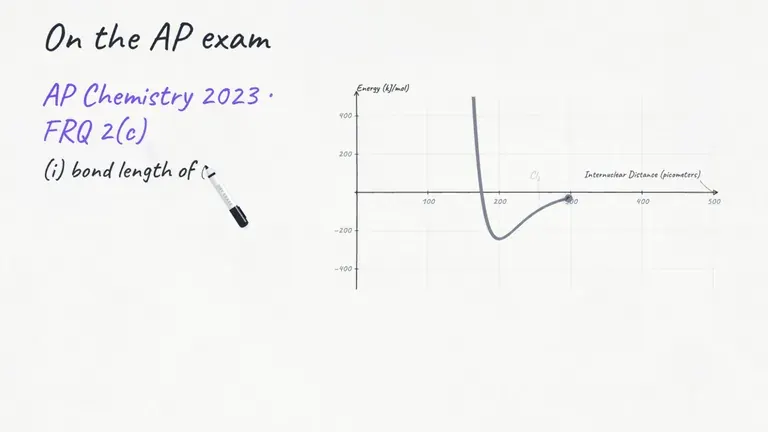 Topic 2.219 minIntramolecular Force and Potential Energy
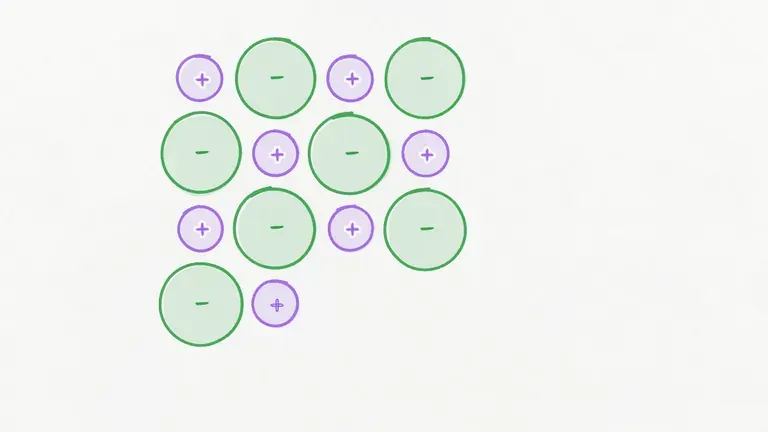 Topic 2.319 minStructure of Ionic Solids
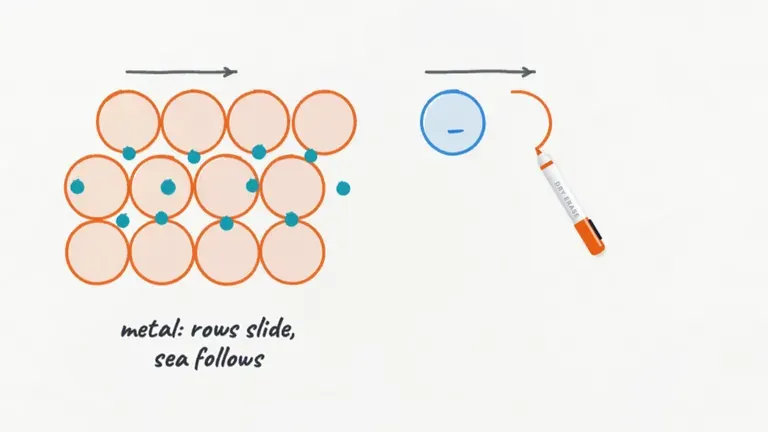 Topic 2.419 minStructure of Metals and Alloys
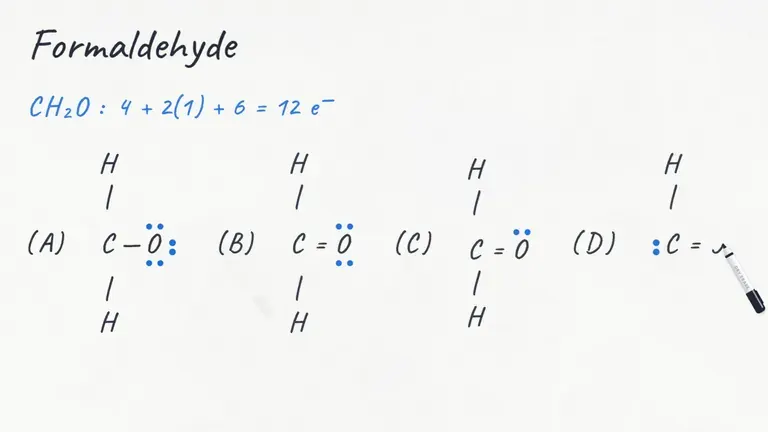 Topic 2.520 minLewis Diagrams
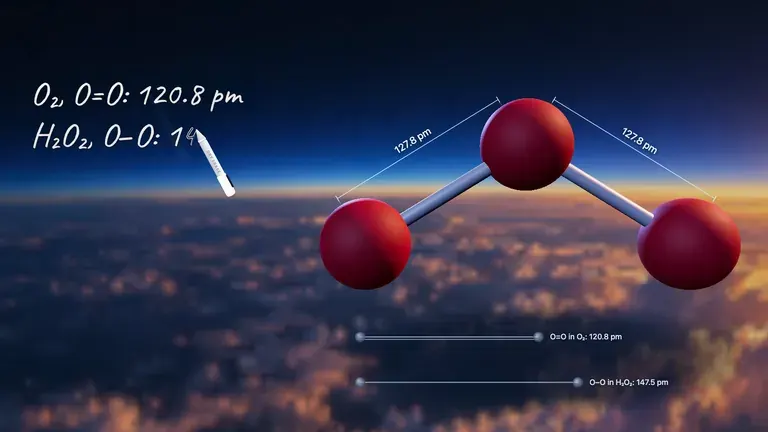 Topic 2.618 minResonance and Formal Charge
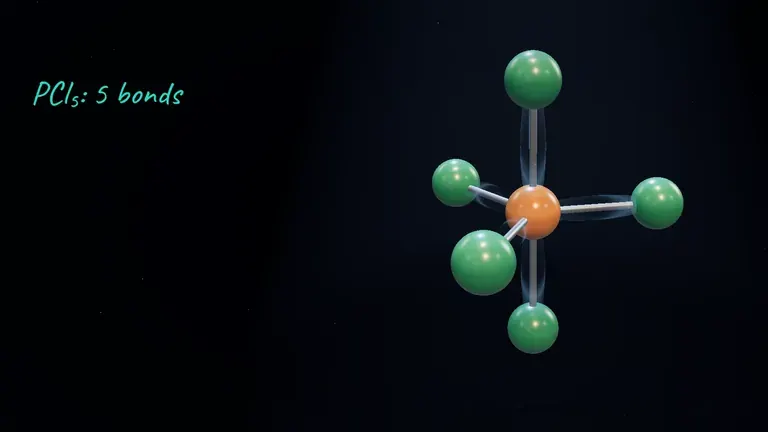 Topic 2.721 minVSEPR and Hybridization
Unit 3: Properties of Substances and Mixtures
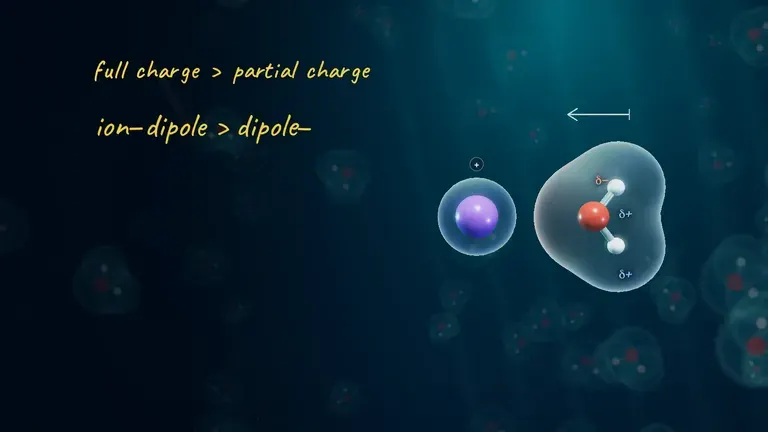 Topic 3.126 minIntermolecular and Interparticle Forces
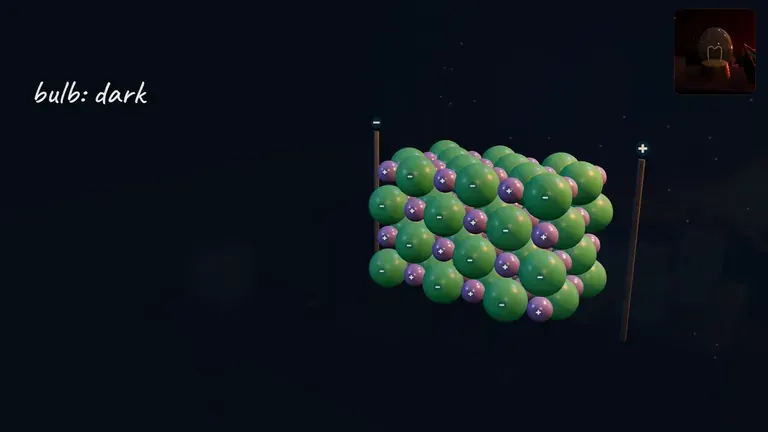 Topics 3.2–3.327 minProperties of Solids · Solids, Liquids, and Gases
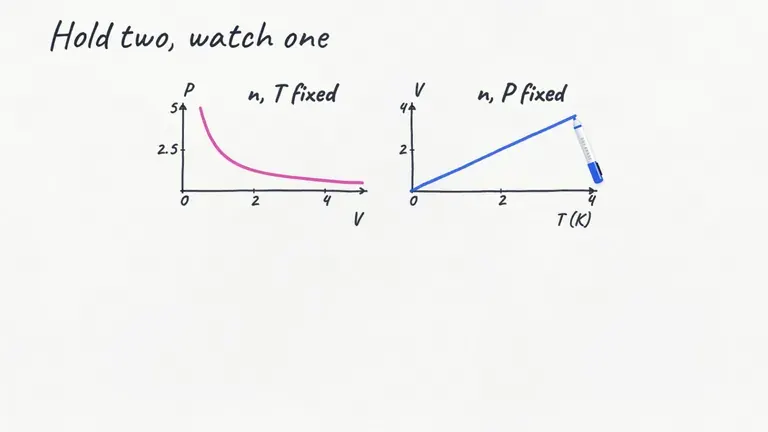 Topic 3.420 minIdeal Gas Law
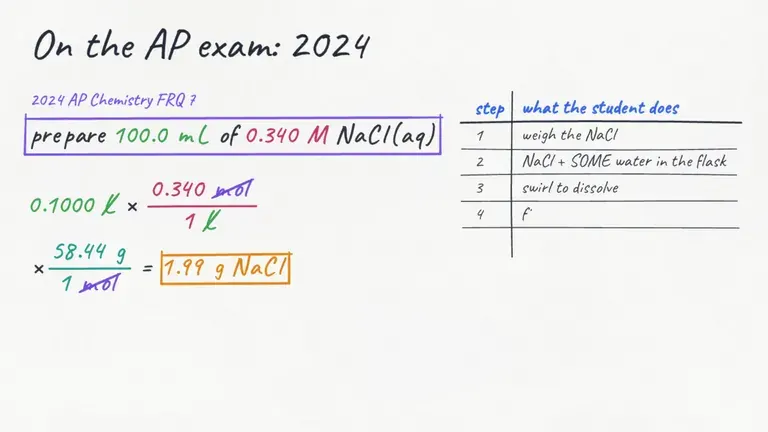 Topic 3.720 minSolutions and Mixtures
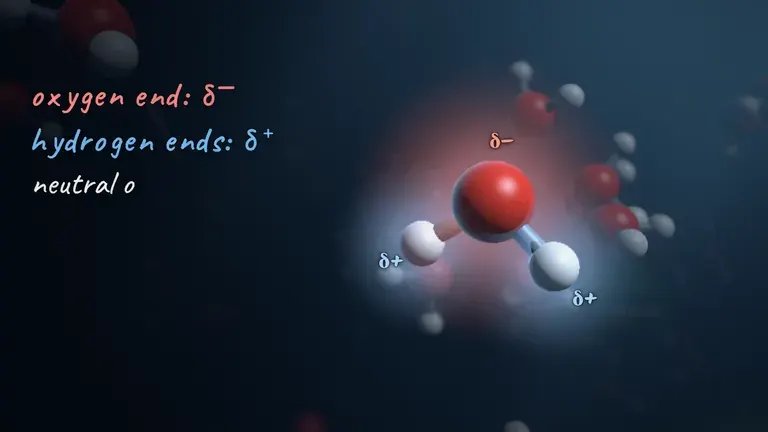 Topics 3.8–3.1026 minRepresentations of Solutions · Separation of Solutions and Mixtures · Solubility
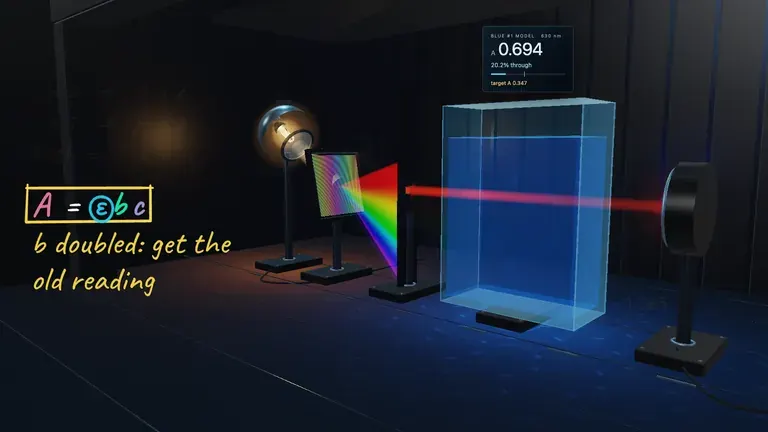 Topics 3.11–3.1324 minSpectroscopy and the Electromagnetic Spectrum · Properties of Photons · Beer-Lambert Law
Unit 4: Chemical Reactions
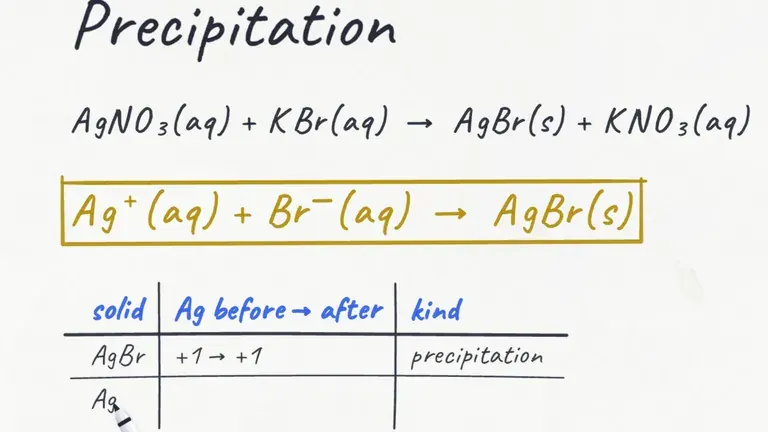
 Topics 4.1–4.224 minIntroduction for Reactions · Net Ionic Equations
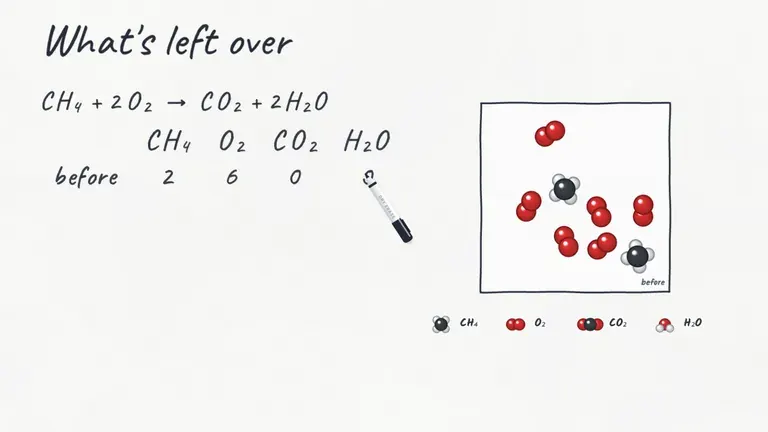 Topics 4.3–4.421 minRepresentations of Reactions · Physical and Chemical Changes
 Topic 4.525 minStoichiometry
 Topics 4.6–4.724 minIntroduction to Titration · Types of Chemical Reactions
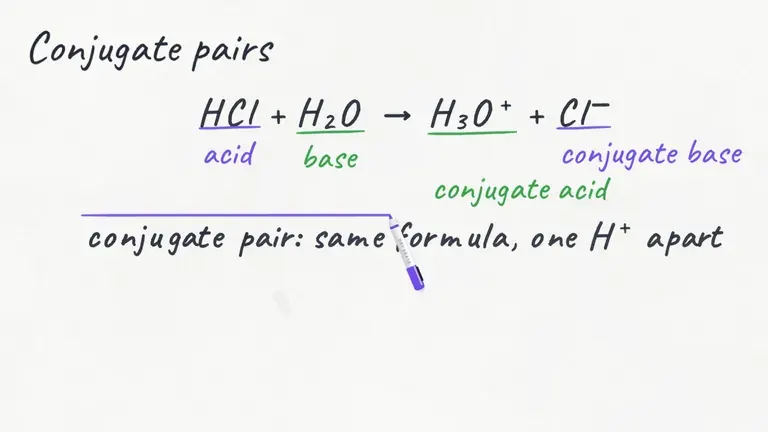 Topics 4.8–4.927 minIntroduction to Acid-Base Reactions · Oxidation-Reduction (Redox) Reactions
Mid-March to late April: full exams under time
Keep the 2025 and 2026 free-response sets untouched until now. Take each in one sitting: seven questions, 105 minutes, a calculator and the reference sheet, nothing else. Score it with its scoring guidelines, and for 2025 read the Chief Reader report beside your marks. For multiple choice, ask your teacher to assign College Board’s practice exams in AP Classroom, and time them at 90 minutes for 60 questions.
After each full exam, put your points into the score calculator and set each question beside the official averages. Then add the new misses to your lost-points list and work on the reason that comes up most often.
The last two weeks
- Read the reference sheet from start to finish once more, and know what isn’t on it.
- Go back over the list of what won’t be tested, above, and cross those things off.
- Redo the 2023 or 2024 set as one full timed exam, then fix the top three reasons on your lost-points list.
- Run the Bluebook test preview on the device you’ll test on, and find the built-in calculator and the digital reference sheet.
- Pack up to two approved calculators with fresh batteries.
- Check your start time: 12 p.m. at most U.S. schools, but your AP coordinator has the final word.
Every unit’s essentials, and the whole course on a few pages, are on the AP Chemistry cheat sheets.
Sources
- AP Chemistry Exam: date, format, sections and weights (AP Central)
- 2027 AP Exam Dates and start times (AP Central)
- AP Chemistry Course and Exam Description: units, weights, science practices, task verbs, exclusion statements (PDF)
- AP Chemistry course page: recommended prerequisites (AP Students)
- Hybrid Digital AP Exams (AP Central)
- Trevor Packer, “Accelerating Our Transition to Digital AP Exams” (All Access, July 25, 2024)
- 2026 AP Chemistry Free-Response Questions: section directions and timing (PDF)
- AP Exams Calculator Policy and approved graphing calculators (AP Central)
- Reference Information for Specific AP Exams (AP Central)
- AP Chemistry Equations and Constants, © 2025 (PDF)
- Will I lose points if I answer a multiple-choice question incorrectly? (AP Students)
- How are AP Exams scored? (AP Students)
- Trevor Packer, “2025 AP Exams: Scoring, Standards, and Security in a New Digital Era” (All Access, July 1, 2025)
- AP Chemistry score distributions (AP Students)
- 2026 AP Score Distributions, all subjects (AP Students)
- AP Score Changes: 2024 (College Board, PDF)
- AP Chemistry Scoring Statistics, 2025 (PDF; earlier years linked from the past exam questions page)
- Chief Reader Report: 2023 AP Chemistry Free-Response Questions (PDF)
- Chief Reader Report: 2024 AP Chemistry Free-Response Questions (PDF)
- Chief Reader Report: 2025 AP Chemistry Free-Response Questions (PDF)
- AP Chemistry past exam questions, scoring guidelines and sample responses (AP Central)
- Bluebook test previews (College Board)